Blog
Practical Cybersecurity,
Plainly Explained.
Education first. No fear-mongering. Real answers to the security questions small businesses actually ask.
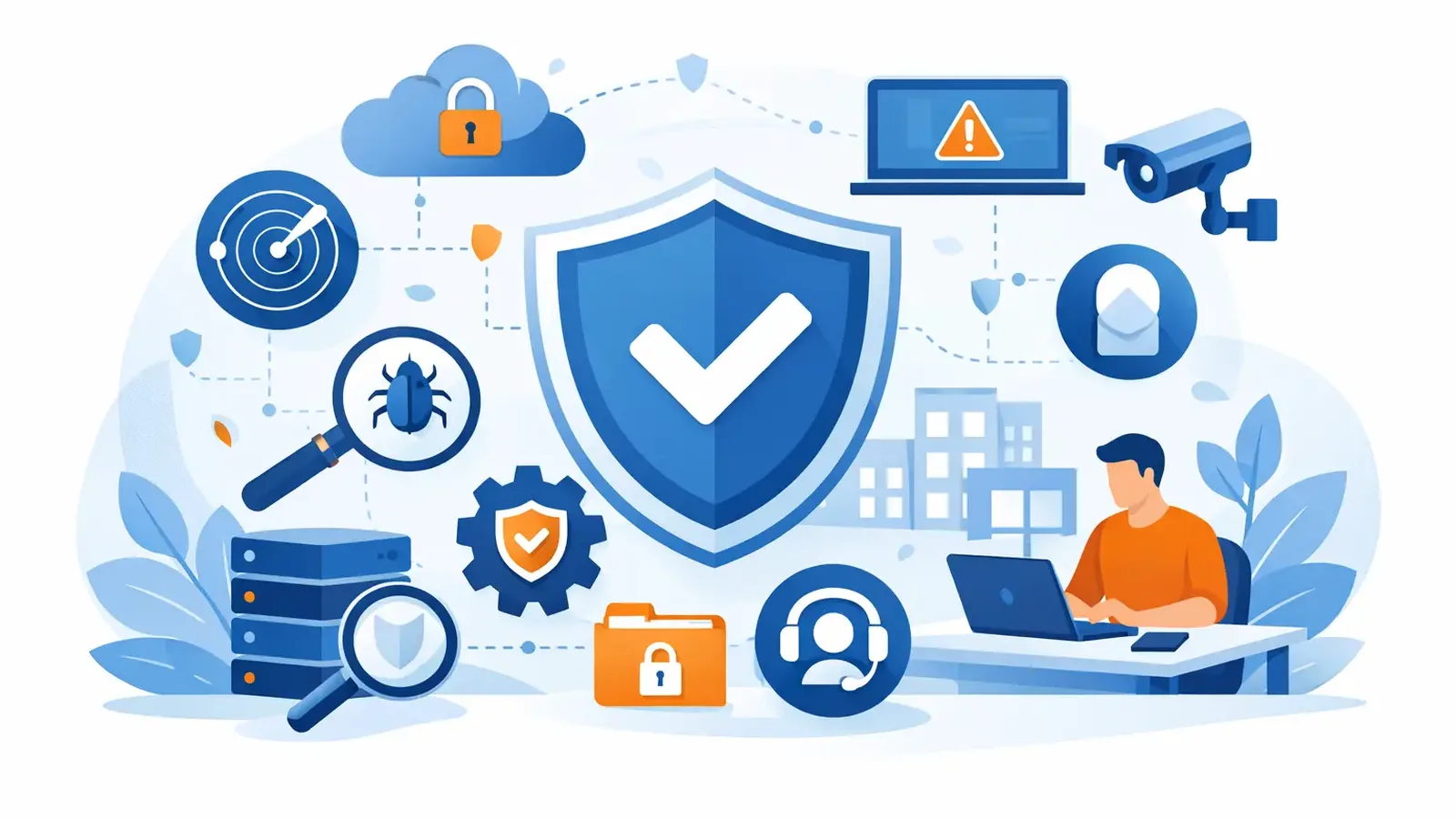
7 MDR Service Benefits Small Businesses Can Use
MDR service benefits go beyond alerts: real experts investigate, contain, and remediate threats to reduce downtime and keep business moving safely each day.
Read Article →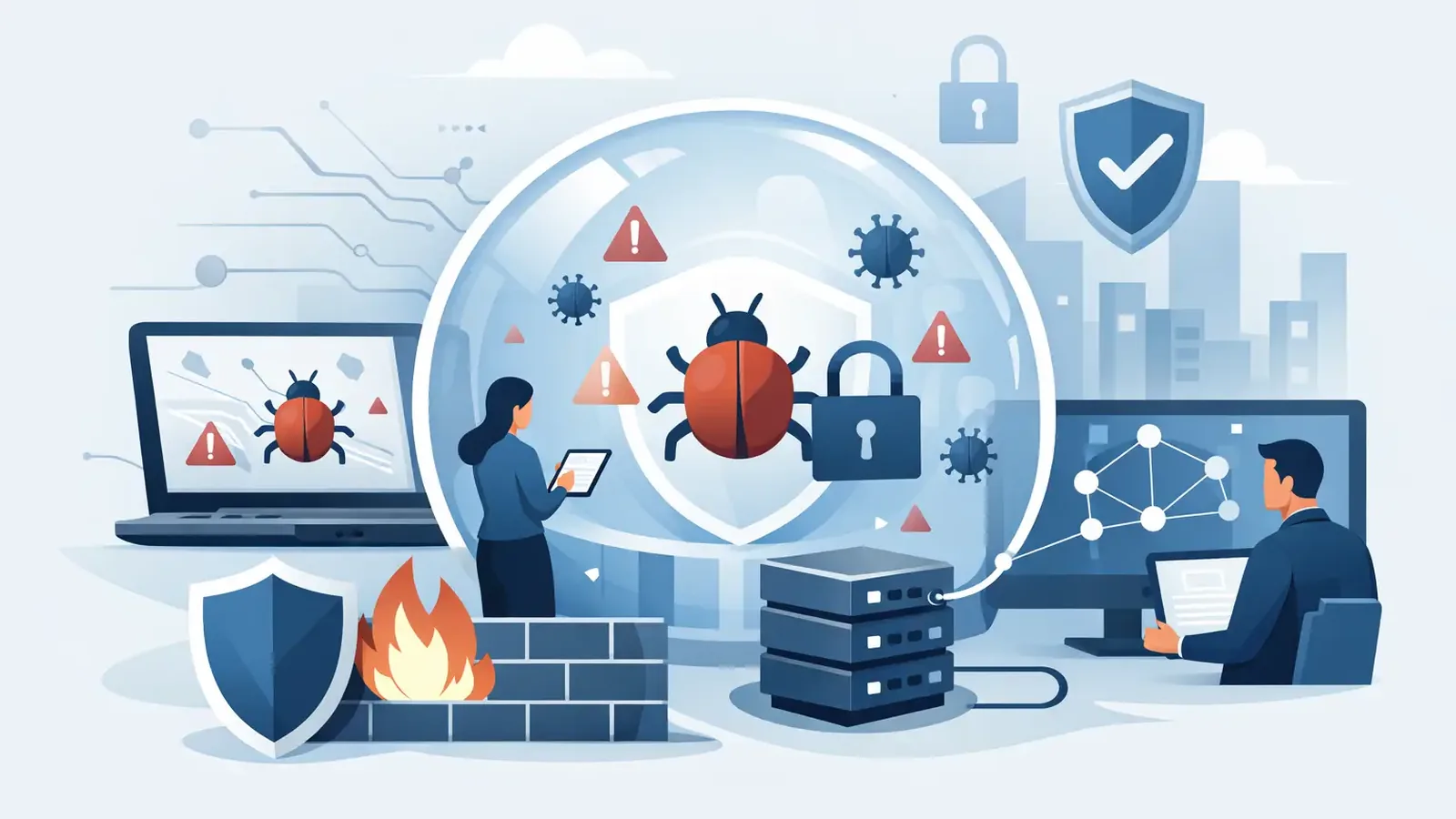
How to Contain Malware Quickly in Your Business
Learn how to contain malware quickly with practical first actions, clear escalation steps, and expert response that protects your small business safely.
Read Article →How to Reduce Endpoint Attack Surface at Work
Learn practical ways to reduce endpoint attack surface, close common gaps, and ensure real security professionals respond when threats appear on devices.
Read Article →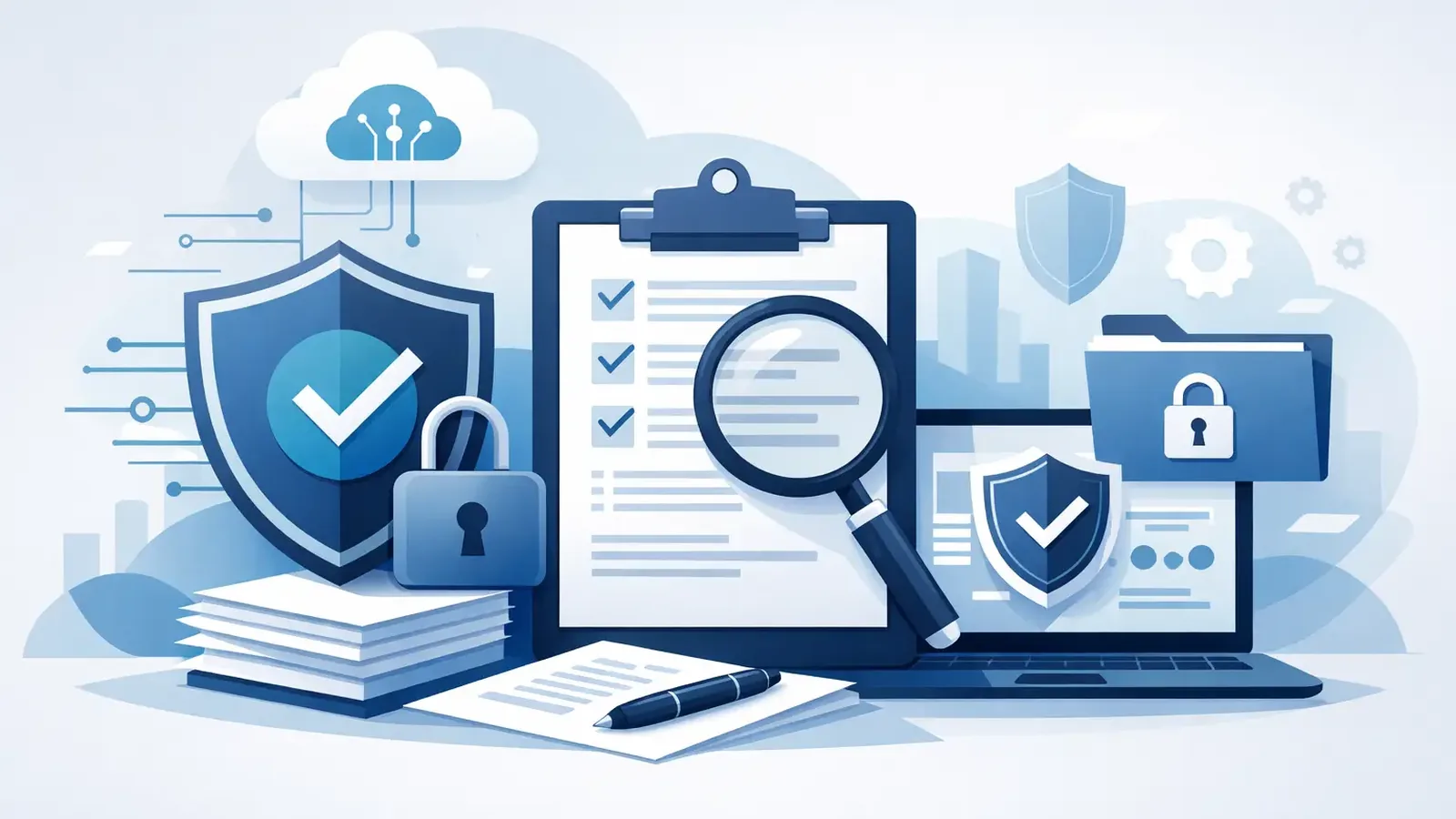
Cyber Insurance Documentation That Holds Up
Build cyber insurance documentation that shows what is protected, who responds to threats, and how your business maintains its controls daily for renewals.
Read Article →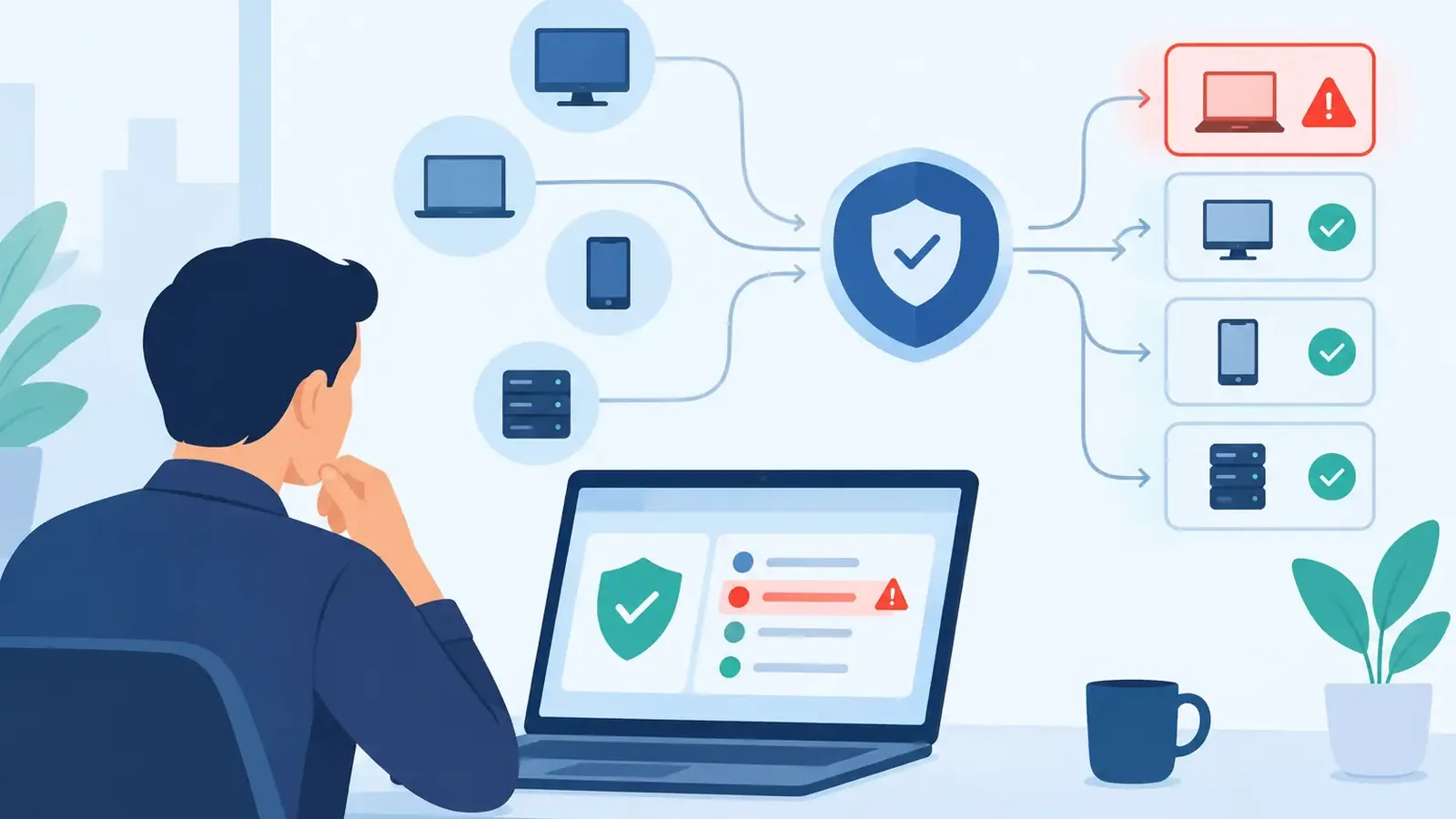
A Practical Guide to Endpoint Threat Triage
A guide to endpoint threat triage for small businesses: how to investigate alerts, contain real risk, document action, and protect daily operations well.
Read Article →
Does Insurance Require MFA for Small Businesses?
Does insurance require MFA? Learn what insurers typically expect, how to document it, and how MFA fits a practical small-business security plan today.
Read Article →
Security Monitoring Versus IT Helpdesk Roles
Security monitoring versus IT helpdesk: learn who watches threats, who fixes daily tech issues, and why small businesses often need both services today.
Read Article →
How to Secure Business Laptops Without Guesswork
Learn how to secure business laptops with controls, active monitoring, patching, and a response plan that protects daily work without slowing teams down.
Read Article →
Small Business Breach Response Guide: First 24 Hours
Use this small business breach response guide to contain an incident, protect evidence, communicate clearly, and get expert help in the first 24 hours.
Read Article →
How to Document Security Controls Clearly
Learn how to document security controls with clear evidence, ownership, review dates, and records that support cyber insurance and security operations.
Read Article →
A Malware Containment Example for Small Business
See a malware containment example: how a managed security team isolates threats, investigates them, restores operations, and documents each response.
Read Article →
MDR Versus IT Outsourcing for Small Businesses
MDR versus IT outsourcing: learn what each service covers, where they overlap, and how small businesses can add endpoint security without replacing IT.
Read Article →
How to Patch Remote Computers Without Guesswork
Learn how to patch remote computers with clear policies, staged updates, verification, and reporting that reduce risk without disrupting work each day.
Read Article →Why Antivirus Fails Small Businesses Under Attack
Why antivirus fails against modern attacks: learn where standalone tools stop, and why monitored detection and response protect small businesses better.
Read Article →
EDR vs Antivirus: What Small Businesses Need
EDR vs antivirus is not just a software choice. Learn how managed detection and response gives small businesses people to investigate and contain threats.
Read Article →
Cybersecurity for Independent Professionals
Cybersecurity for independent professionals means more than antivirus: get monitored detection, response, patching, and practical accountability daily.
Read Article →
Ransomware Response for Small Business: First 24 Hours
Ransomware response for small business starts with calm, fast action. Learn what to isolate, preserve, report, restore, and improve after a ransomware attack.
Read Article →
Security Reporting for Small Business That Works
Security reporting for small business turns security activity into clear decisions, documented controls, and proof that someone is watching threats now.
Read Article →
Per Device Cybersecurity Pricing That Stays Clear
Per device cybersecurity pricing gives small businesses a predictable way to get managed endpoint protection, 24/7 monitoring, and real response when needed.
Read Article →
Co-Managed Cybersecurity for IT Providers
Co-managed cybersecurity for IT providers adds 24/7 endpoint monitoring and response without replacing the IT team businesses already rely on every day.
Read Article →
Cyber Insurance Security Controls Checklist
Use this cyber insurance security controls checklist to prepare for applications and renewals with practical, documented protections insurers expect now.
Read Article →
Managed Patch Management for Business That Works
Managed patch management for business reduces exposure to known flaws, documents progress, and gives your team a clear and accountable patching process.
Read Article →
Threat Containment and Remediation Service
See how a threat containment and remediation service gives small businesses 24/7 expert response, clear communication, and follow-through after alerts.
Read Article →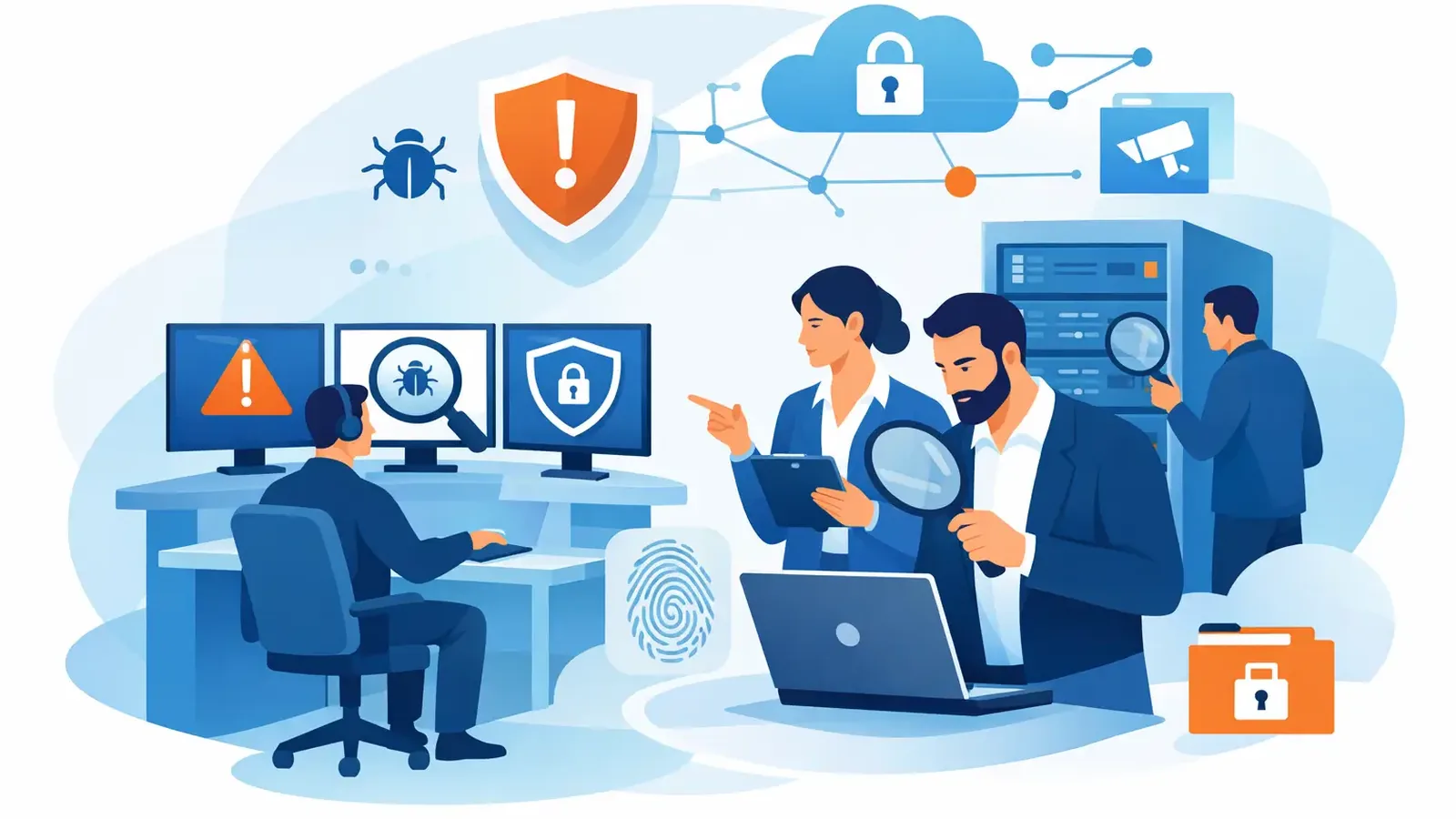
Who Investigates Security Alerts at Your Business?
Who investigates security alerts after antivirus raises a flag? Learn why trained human review, containment, and follow-through protect small businesses.
Read Article →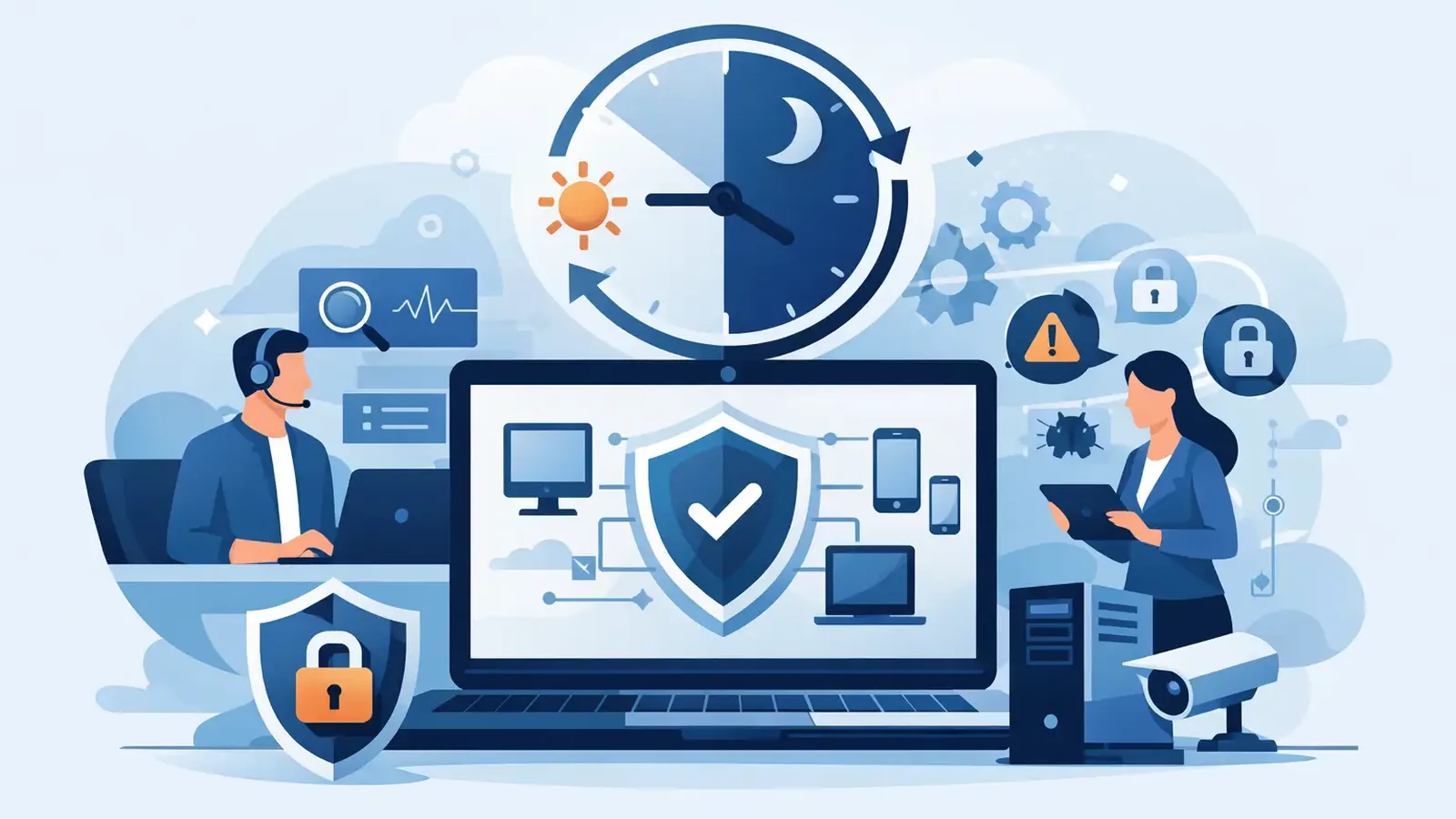
Why a 24/7 Endpoint Monitoring Service Matters
A 24/7 endpoint monitoring service puts security professionals behind alerts, helping small businesses investigate, contain, and resolve real threats fast.
Read Article →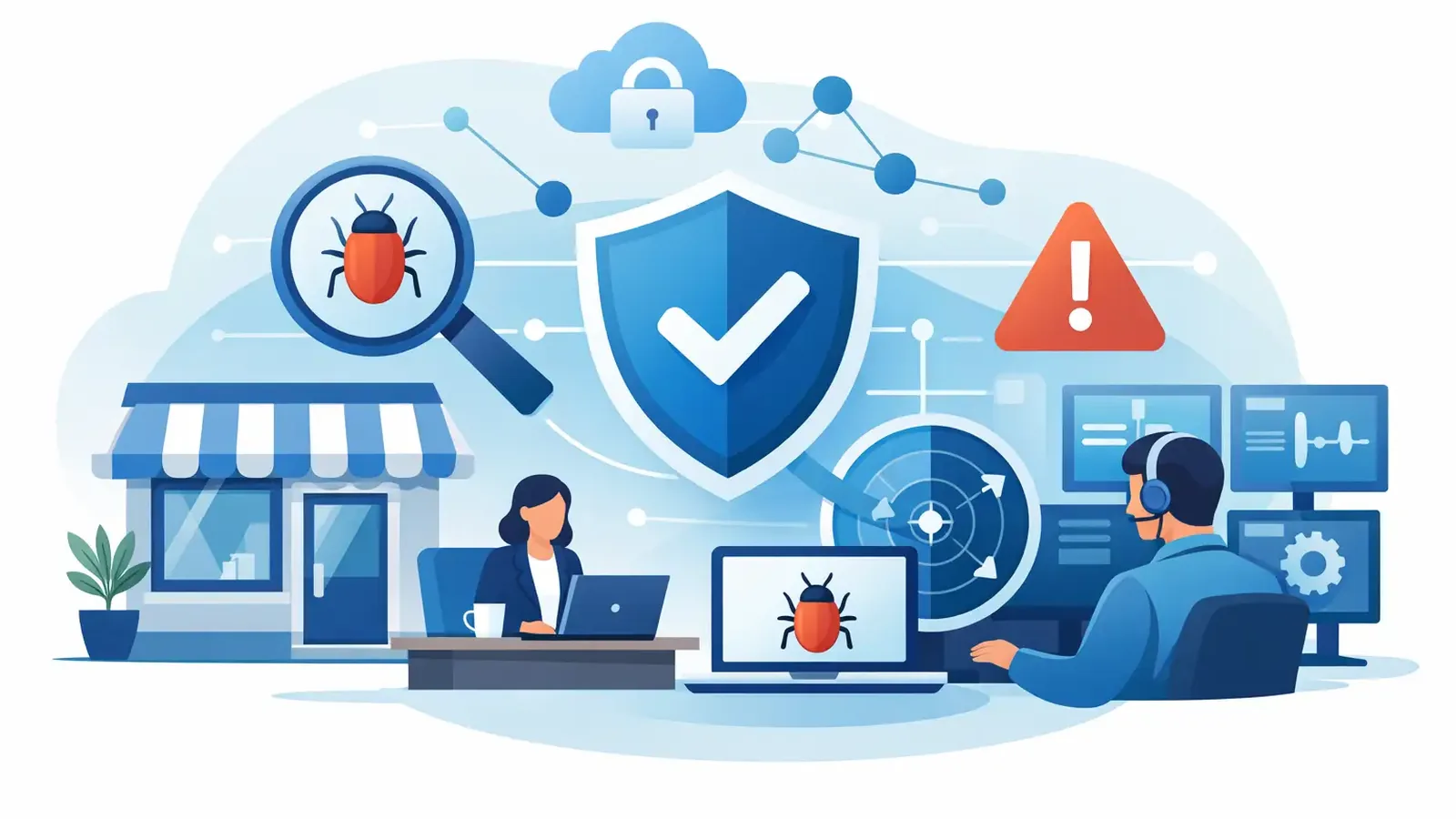
Managed EDR for Small Business That Responds
Managed EDR for small business combines 24/7 monitoring, expert investigation, containment, and clear follow-through when a real threat appears at work.
Read Article →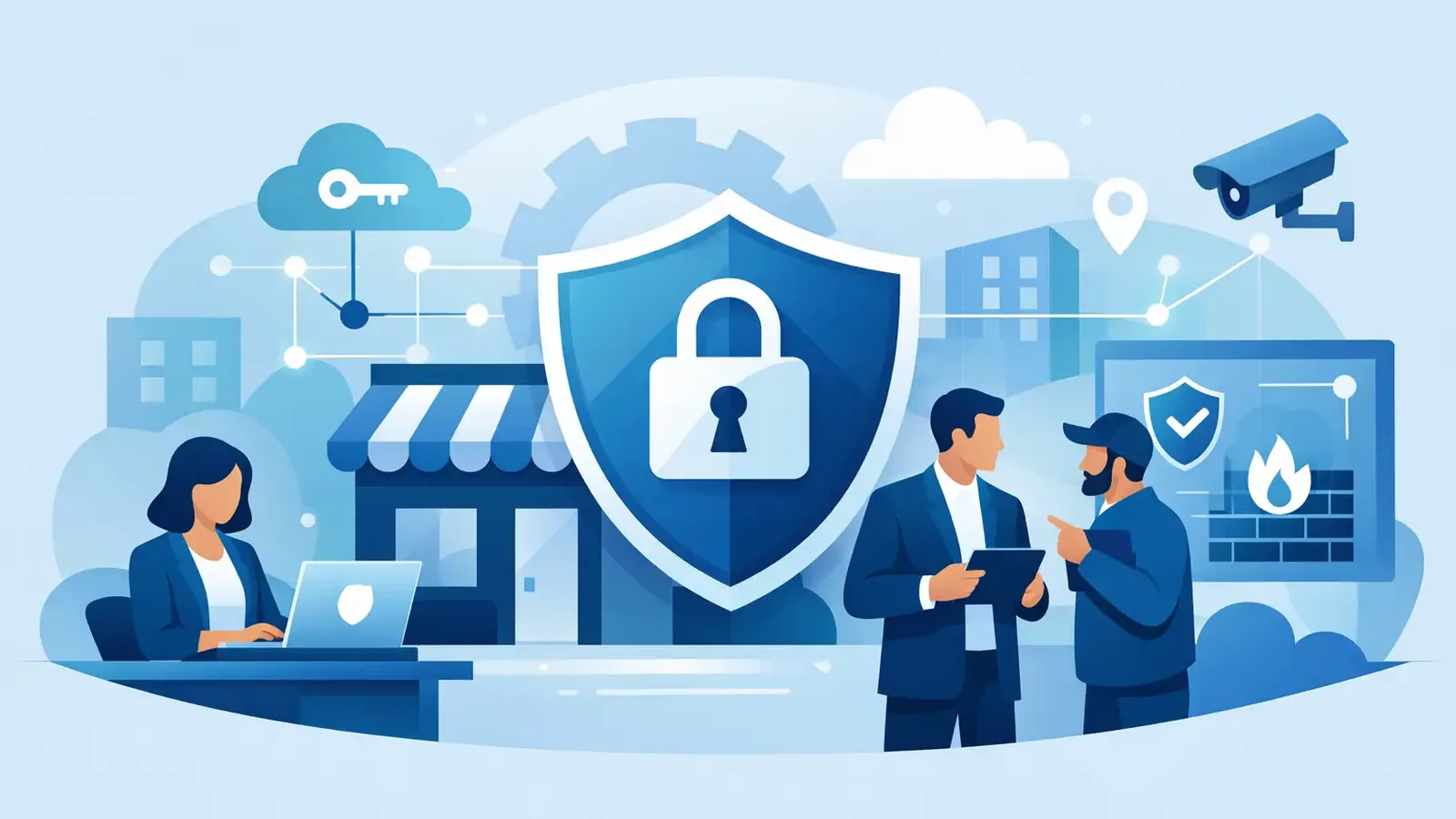
Managed Cybersecurity for Small Business That Acts
Managed cybersecurity for small business adds 24/7 monitoring, expert investigation, and response so endpoint alerts do not become business disruptions after hours.
Read Article →Is Microsoft Defender Enough for Your Business?
Defender is genuinely good — and it's already on every Windows computer you own. Whether it's enough depends on a different question: who's operating it?
Read Article →What Happens If You Answer a Cyber Insurance Questionnaire Wrong?
Cyber insurance applications are signed attestations. Here's why inaccurate answers matter, how honest mistakes happen, and a process for answering from evidence instead of memory.
Read Article →Antivirus vs. Managed EDR: What's the Difference?
Most businesses already have antivirus. Fewer can answer who is watching it. Here's how traditional antivirus and managed EDR actually differ — and why the difference matters.
Read Article →Backup Requirements for Cyber Insurance: What Carriers Look For
Backups are one of the three controls carriers scrutinize most. Here's what 'tested, encrypted, and separated' actually means — and why nightly file copies may not count.
Read Article →Cyber Insurance MFA Requirements, Explained for Small Business
MFA sits at the top of nearly every cyber insurance questionnaire. Here's what carriers actually expect, which accounts matter most, and how to answer accurately.
Read Article →How to Prepare for a Cyber Insurance Questionnaire
Cyber insurance applications are asking harder security questions every year. Here's what underwriters commonly ask, and a practical way to prepare before renewal week.
Read Article →